

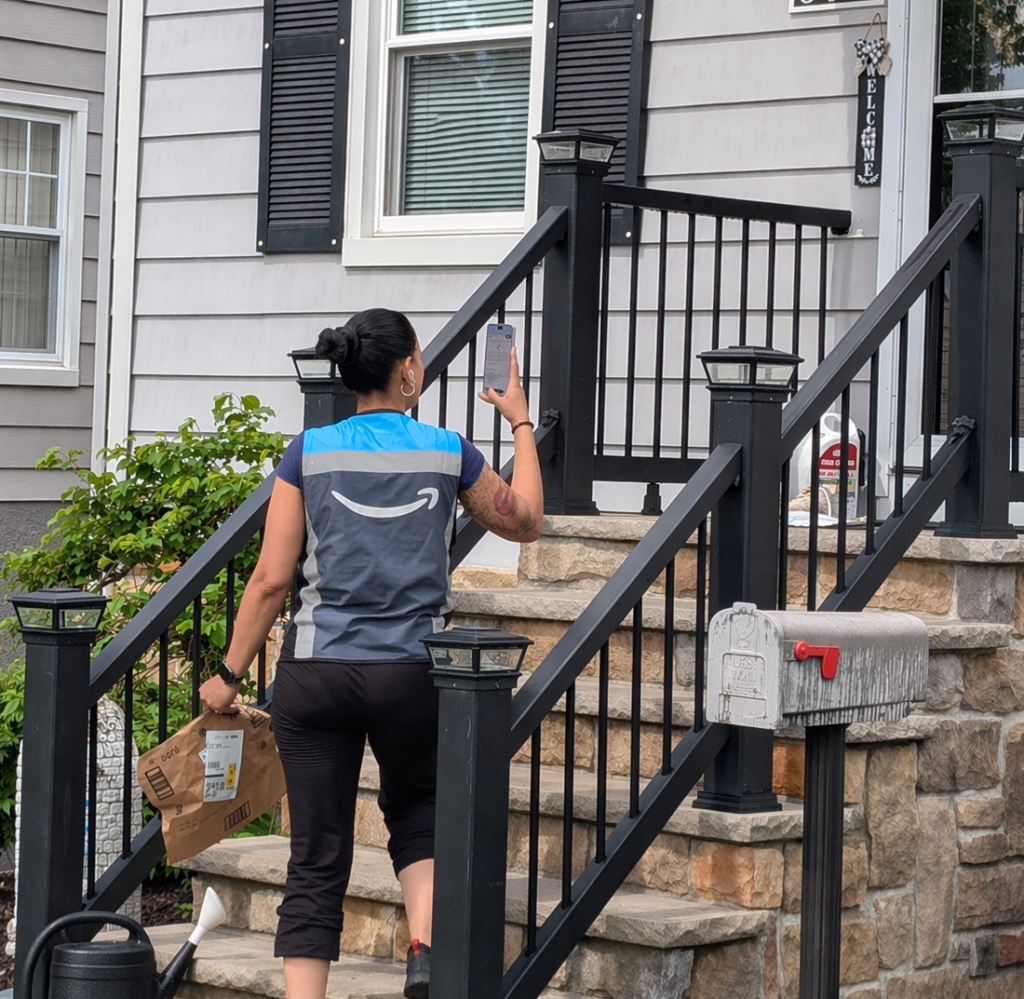
ALL MAJOR E-COMMMERCE retailers employ gig workers to keep costs down. In the transportation sector, gig work was pioneered by Uber and Lyft for ride-hailing services. It has extended to food and restaurant delivery operations including Uber Eats, DoorDash, Instacart and others. All one needs is a car and a cell phone to work for one of these app-based companies. Workers garner a small fee and hopefully a tip for fulfilling orders. In 2024, an estimated 36 percent of workers were engaged in some aspect of the gig economy.
Amazon recruits gig workers through its Flex program, which offers three- to four-hour routes with multiple deliveries. The company’s Hub Delivery program does the same with small businesses, tapping their “strong understanding of the local neighborhoods to deliver Amazon packages.” Walmart has similar programs through its Spark Driver platform. It has the advantage of 4,000 stores in prime retail locations to serve as hubs of ecommerce operations.
The food delivery companies themselves have entered the goods movement fray. Consumers can now use Uber Eats, DoorDash and other apps to order from The Home Depot, Best Buy and other big box stores and get must-haves in under an hour.
This has expanded the gigs available to workers who can switch between multiple apps to access delivery offers. But gig work remains low paying and often grueling. Pay can reach $20 to $30 per hour but the work can be unpredictable. There are generally no benefits and workers must pay for their own vehicles and gas (DoorDash just offered its workers 10 percent cash back on gas purchases to help offset rising fuel costs).
The consensus in online forums seems to be “It’s okay for side money,” as one worker put it. Others decry the trend of degraded work: “UPS moved from union delivery to vehicles driven by people who are desperate for money in a broken economy,” posted one worker.
To support workers, in 2024 Seattle required a $26 minimum wage per hour for gig jobs. DoorDash and Uber Eats responded with a $5 surcharge, which depressed both orders and tips, keeping net pay about the same. Instacart just imposed a $5.99 “regulatory response fee” in New York City after a $21 minimum wage and other protections were enacted. So far, there are no easy answers to support workers in an ecommerce marketplace racing toward the bottom dollar.
-Mark Solof