

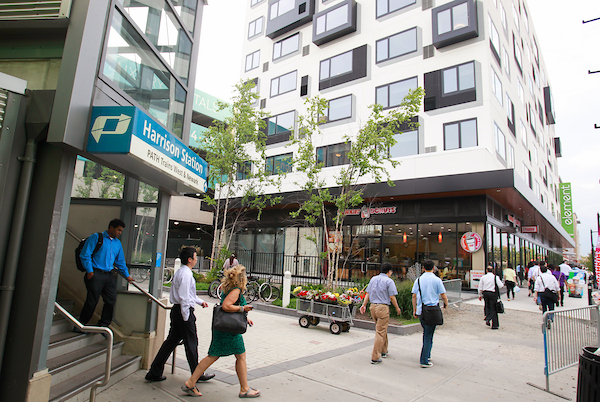
Almost one in five urban and suburban car owners in the U.S. (18 percent) express a definite interest in living car-free, in addition to another 40 percent who are open to the idea. Car-free living is defined as not owning a car.
Results of an original, representative national survey of 2,155 people come from researchers at Arizona State University’s School of Geographical Sciences and Urban Planning and the Department of Economics. “Who is interested in car-free living in the US? Findings from a nationwide survey” was published this month in Transportation Research (Part A: Policy and Practice).
The study found few significant links between an interest in car-free living and major socioeconomic or demographic factors among respondents.
Five key factors are associated with interest in car-free living:
- Having prior experience living without a car
- Using alternative modes of transportation for at least 5 percent of trips
- Lower car dependence
- Riding transit regularly
- Having less enjoyment of travel by private car
Survey results also indicate a demand for walkable neighborhoods. “Given the sizable unmet demand for car-free living, we conclude that planners should allow and facilitate car-free and car-lite developments,” according to the authors. “In practice, this can be done by embracing zoning reform, investing in alternative transportation infrastructure, lowering parking requirements for development, and encouraging mixed land uses, including in residential neighborhoods.”